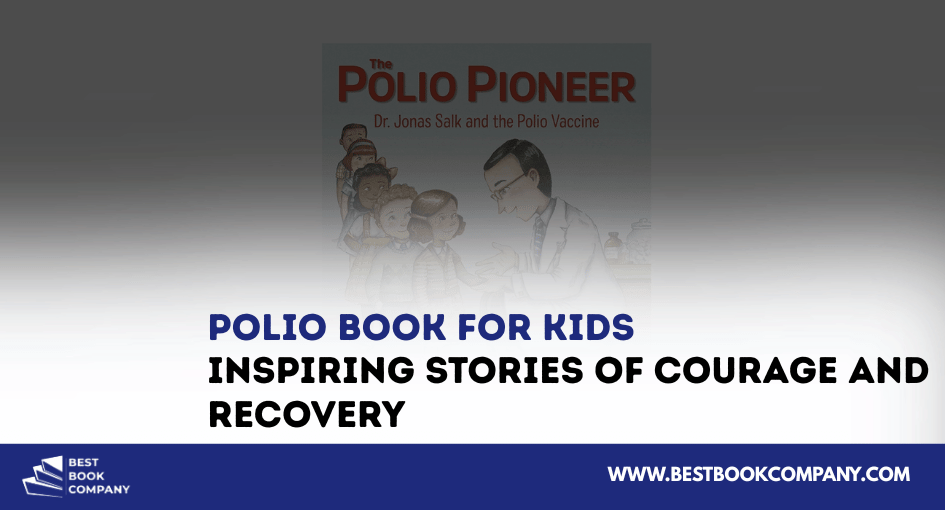
Stories about resilience and hope have always played an important role in shaping young minds. A Polio book for kids serves this very purpose by transforming a serious historical event into an inspiring lesson about courage, compassion, and the triumph of the human spirit. Polio, a disease that once frightened millions of families across the world, provides a meaningful backdrop for tales that teach children about empathy, health awareness, and perseverance. By presenting such stories in a way children can understand, these books help them learn how challenges can be turned into victories through kindness, science, and teamwork.
Children’s literature has long been a mirror reflecting both struggle and strength. Books about polio introduce young readers to real-life heroes who faced physical limitations but refused to be defined by them. They show how determination can overcome despair and how medical advances changed lives. The Polio book for kids captures these themes while simplifying complex historical and medical events into relatable narratives. It allows young readers to connect emotionally, fostering respect for those who lived through the epidemic and appreciation for the scientists who worked tirelessly to develop vaccines.
Most importantly, such books provide reassurance. They remind children that even in the face of illness, there is always hope. By turning a story of fear into one of healing and heroism, these books become an essential part of both educational and emotional growth.
Teaching History And Hope Through A Polio Book For Kids
A Polio book for kids is not just about an illness, it is a bridge connecting young readers with an important part of world history. Through illustrated stories and relatable characters, it shows what life was like during the years when polio outbreaks affected thousands of families. By using simple language and engaging storytelling, these books help children understand how communities supported one another and how science ultimately defeated the disease.
The stories often feature young protagonists who contract polio or live in families affected by it. These characters navigate physical and emotional challenges, learning that strength is not only about movement but also about spirit. For instance, some books depict children learning to walk again using braces or crutches, while others highlight friendships formed in hospitals. Such depictions teach compassion and resilience, encouraging children to look beyond appearances and appreciate inner strength.
The Small Steps: the year I got polio summary provides an overview of a young girl’s journey through the challenges of polio. It highlights her daily struggles, determination, and resilience, giving readers insight into the personal and emotional impact of the disease during a polio outbreak.
FAQs:
What is the children’s book about polio?
A children’s book about polio introduces young readers to the history and effects of the disease in an age-appropriate way. These books often use storytelling and illustrations to show how children coped with polio, the importance of vaccination, and the resilience required to overcome challenges associated with the illness.
How to explain polio to kids?
Polio can be explained to kids by describing it as a disease that affects the muscles and sometimes causes difficulty in moving. Using simple language, stories of real children, or illustrated books about polio helps them understand the importance of hygiene, vaccines, and medical care to stay healthy.
Which book is best for reading for kids?
The best books for kids include stories that combine education with engaging narratives. For polio, titles like Small Steps: The Year I Got Polio or other age-appropriate books that highlight personal stories, challenges, and hope provide both knowledge and inspiration for young readers.
What is the book about people with polio?
Books about people with polio often explore both personal and historical perspectives. They include accounts of children and adults affected by polio, the struggle during epidemics, the development of vaccines, and the resilience of those who faced the disease, making them informative and inspiring for readers of all ages.
Memorable Stories And Characters That Inspire
One of the most impactful aspects of a Polio book for kids is its ability to create memorable characters who remain in readers’ minds long after the last page. Some stories are fictionalized, inspired by real events, while others are based on true accounts from polio survivors.
For example, the story of a young girl named Mary in one such book mirrors the experiences of thousands of children who faced the disease in the mid-20th century. Despite her paralysis, Mary dreams of becoming a teacher and inspires her friends through her optimism. Similarly, stories like “Blue Skies Ahead” or “Brave in the Iron Lung” highlight not only the struggle but the hope that persisted even in hospital wards filled with fear.
Such books often emphasize that illness does not define a person’s future. They show that courage, kindness, and determination are what truly matter. These lessons are not only valuable for children who may face their own struggles but also for those who learn to appreciate the importance of compassion toward others.
The Small Steps book tells the inspiring story of a girl affected by polio, illustrating her path to recovery and the support she receives from family and medical professionals. It combines historical context with personal narrative, making it both educational and motivational for readers of all ages.
The Educational Value Of Polio Stories For Children
Beyond emotional storytelling, the Polio book for kids provides an introduction to health education and scientific discovery. Many books include simple explanations about how viruses spread, how vaccines work, and why prevention is important. By explaining these concepts in child-friendly terms, they promote awareness about public health and personal responsibility.
Through storytelling, children learn how society once lived in fear of a disease that is now preventable. They see how the invention of the polio vaccine changed the world, giving them perspective on the importance of science and medical research. When a young reader learns that people like Jonas Salk and Albert Sabin worked for years to find a cure, it sparks curiosity about science and inspires admiration for those who dedicate their lives to helping others.
The Polio vaccine is a medical breakthrough that helped eradicate polio in many parts of the world. Books discussing the vaccine explore its development, the scientific efforts behind it, and the global impact it has had on preventing paralysis and saving countless lives.
Courage, Compassion, And The Modern Relevance Of Polio Stories
Even though polio has been largely eradicated in most parts of the world, the stories about it remain deeply relevant. The Polio book for kids reminds readers of a time when communities came together to fight a common threat. It helps children understand that diseases can be overcome through unity, care, and scientific effort.
In a world where new health challenges continue to emerge, such books offer timeless lessons. They teach that fear can be faced with knowledge, and despair can be replaced by determination. Children who read these stories often grow up with greater empathy toward those who live with disabilities and a stronger appreciation for medical progress.
Understanding the Types of polio is important for grasping the disease’s effects. Polio can be categorized as paralytic, non-paralytic, and abortive, each with different symptoms and severity. Books on polio often explain these types to educate readers about the disease, its risks, and prevention methods.
However, the Polio book for kids stands as a beautiful example of how literature can educate, comfort, and inspire. It transforms a difficult chapter of history into an uplifting narrative about courage, cooperation, and healing. The stories teach children that every obstacle can lead to growth and that heroes are not defined by strength alone but by their ability to keep going despite fear. Through these pages, young readers not only learn about the past but also discover the values that shape a kinder, more hopeful future.