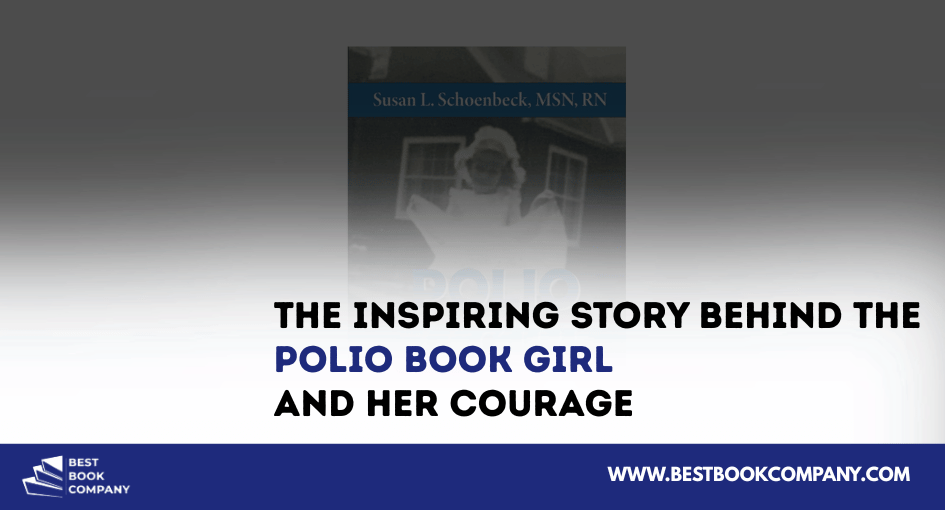
Stories of resilience have the power to move hearts, inspire generations, and remind us of the strength hidden within the human spirit. Among such stories is that of the Polio book girl, a symbol of courage, determination, and unbreakable will. This phrase has come to represent not just one girl, but every young person who has faced the challenges of polio and refused to give up. Through books and memoirs inspired by true events, readers discover how courage and education can transform pain into purpose.
In the past, polio was one of the most devastating diseases, robbing millions of children of their ability to walk, run, and live freely. Families feared the illness, and societies struggled to cope with its emotional and social toll. Yet, out of this darkness emerged stories that glowed with hope. The Polio book girl narrative captures this spirit perfectly, showing how reading, learning, and perseverance can heal both the body and the soul.
For many survivors, books became a lifeline, a way to escape physical limitations and explore the world through imagination. Stories about polio survivors and their journeys not only educate readers about the disease but also remind them that adversity can be the foundation for greatness. Through these inspiring tales, one learns that even when the body weakens, the mind and heart can remain unstoppable.
Understanding The Journey Of The Polio Book Girl
The Polio book girl story often refers to individuals who used knowledge and learning as tools for empowerment despite physical disability. These tales, whether fictional or based on real lives, focus on how determination and curiosity led to personal triumphs over the pain caused by polio.
For instance, many books tell of girls who contracted polio during childhood but refused to let it define them. Instead of giving in to despair, they found refuge in reading and writing. Through literature, they connected with worlds beyond their reach, finding strength in stories of courage and resilience.
One such inspirational example is inspired by real-life figures who overcame the disease through education and creativity. Many polio survivors became writers, teachers, and advocates, using their voices to inspire others facing disability or social stigma. Their stories remind readers that strength is not measured by physical ability but by mental endurance.
For readers interested in personal stories about polio, the Small Steps: the year I got polio summary provides an overview of a young girl’s journey through illness, recovery, and resilience. It highlights key events and emotional experiences, helping readers understand the impact of polio on her life.
FAQs:
What is the book about the girl who gets polio?
Books about a girl who gets polio often explore her journey of coping with the disease, highlighting her challenges, resilience, and personal growth. These stories aim to educate readers about the historical impact of polio while providing inspiration and understanding of the experiences of children affected by the illness.
What is the book about the girl who has polio?
A book about a girl who has polio typically focuses on her daily life, struggles, and triumphs despite the illness. Through her story, readers gain insight into the social, emotional, and physical effects of polio on children, as well as the support systems that helped them persevere.
What famous woman had polio?
One famous woman who had polio was Franklin D. Roosevelt’s cousin, Eleanor Roosevelt (though she did not have polio herself, FDR did), but many notable female figures experienced polio in their youth. Historical records highlight several women who overcame polio to achieve remarkable accomplishments in public life, education, and activism.
What famous person had polio as a child?
One of the most well-known people who had polio as a child was Franklin D. Roosevelt, the 32nd President of the United States. Other notable figures include actor George Burns and jazz musician Ray Charles, who faced early-life polio and went on to achieve fame despite their challenges.
Books That Reflect The Spirit Of The Polio Book Girl
Literature has always played an important role in sharing the human experience, and stories about polio survivors are no exception. Books that center on polio, or use it as a backdrop, often highlight the struggles and triumphs of young individuals, particularly girls, who fight to reclaim their dreams.
One of the most touching novels is Small Steps by Louis Sachar, a continuation of Holes. It follows the life of a boy who battles the aftereffects of polio and learns to find meaning beyond his disability.
Peg Kehret books are popular among young readers and often focus on real-life challenges, mysteries, and inspirational stories. Her works, including those about polio and overcoming adversity, combine engaging storytelling with educational content, making them both entertaining and informative.
Resilience And Education As The Core Of Transformation
The story of the Polio book girl emphasizes one of the greatest truths of human existence, that education has the power to transform lives. For many polio survivors, reading was more than a hobby; it was an act of defiance. When the world limited their movement, books opened infinite possibilities.
Through reading, young survivors found role models who helped them envision better futures. Literature offered lessons in courage, patience, and endurance. Moreover, education allowed many of them to advocate for others with disabilities, proving that physical challenges could never silence intellectual power.
In midbody discussions of such stories, one finds how these girls became community leaders, doctors, writers, and teachers. Their strength lay not only in overcoming illness but in refusing to let society’s pity define them. Instead, they inspired others to pursue their dreams regardless of obstacles.
The Small Steps book tells the story of a girl’s experiences during a polio outbreak, emphasizing courage, determination, and hope. Through her journey, readers gain insight into the personal and social effects of the disease, as well as the historical context of polio in society.
The Broader Message Of Hope And Inclusion
The Polio book girl story carries a powerful message beyond the realm of illness. It speaks about the right to dream, the importance of education, and the beauty of persistence. It encourages societies to support those living with disabilities and to create environments where everyone can thrive.
For modern readers, such stories hold new meaning. They show how courage is timeless and how the lessons of the past can still inspire change today. Even in a world where polio is nearly eradicated, the values of compassion and equality remain vital.
Books that tell these stories remind us that empathy should be part of every society’s foundation. They teach readers to look beyond physical limitations and recognize the brilliance, creativity, and wisdom within each individual.
In midbody reflections, it becomes clear that these books are not just about disease, they are about humanity’s endless ability to rise. They stand as a tribute to every girl who fought against despair and emerged stronger than ever. Her story is not limited to one time or one person; it represents millions who found courage in the face of adversity. Books that carry her spirit remind readers that determination can defeat even the harshest challenges.
Through reading and education, these girls built new worlds for themselves, worlds filled with meaning, hope, and purpose. They transformed pain into power and isolation into imagination.
Every page written about their struggles and triumphs serves as a reminder that no limitation can define a person’s worth. The Polio book girl symbolizes the strength that comes from knowledge, the freedom that comes from courage, and the victory that comes from believing in oneself.